


The UGC Digital Magazine: How I Reimagined the Magazine Business Model
- Joseph Haecker

- Mar 15
- 8 min read
For more than a century, magazines have been one of the most influential forms of media in the world. They shaped industries, elevated public figures, launched careers, and created cultural movements. Being featured in a magazine was never just about visibility. It was about credibility. It meant someone had decided that your story mattered enough to be printed, distributed, and placed in front of readers.
But behind the glamour of magazine covers and glossy pages, the business model itself has always been incredibly demanding.
Traditional magazines required offices, editors, writers, photographers, advertising sales teams, designers, and printers. They relied on physical distribution networks and carefully scheduled publishing cycles. Every issue required months of coordination. Every page had to be filled with content that someone had to produce.
For decades this system worked because magazines controlled access to audiences. If you wanted visibility in an industry, you needed to convince a publication to tell your story. Editors acted as gatekeepers. Publishers controlled the channels.
When the internet arrived, magazines began moving online. Many people assumed this would fundamentally transform the industry. In some ways it did. Digital publishing eliminated printing costs and expanded global distribution.
But in a surprising way, the core structure of magazines remained almost exactly the same.
Editors still assigned stories. Writers still produced articles. Publishers still chased advertisers. Readers still consumed the finished content.
The magazine industry went digital, but the business model remained firmly rooted in the print era.
Over time I began to notice something interesting about this situation. While magazines were trying to replicate their print structures online, social media platforms were growing at a completely different scale.
Social platforms did not rely on editors assigning stories. They did not rely on journalists to produce content. They did not depend on centralized editorial teams to decide what deserved attention.
Instead, they gave people the tools to tell their own stories.
That shift revealed something fundamental about human behavior. People want to share their journeys. They want to talk about their businesses, their experiences, their ideas, and the paths that led them to where they are today.
Social platforms succeeded because they removed the gatekeepers.
Once I recognized that dynamic, I started wondering what would happen if the magazine model itself were rebuilt around the same principle.
What if the people being featured in a magazine told their own stories instead of relying on journalists to write about them?
What if publishing behaved more like a social platform while still maintaining the credibility and structure that magazines have always carried?
That question eventually led me to create what I now call the User-Generated Content digital magazine model.
And perhaps more importantly, it opened the door for entrepreneurs around the world to launch their own media platforms without needing massive funding, offices, or large teams.




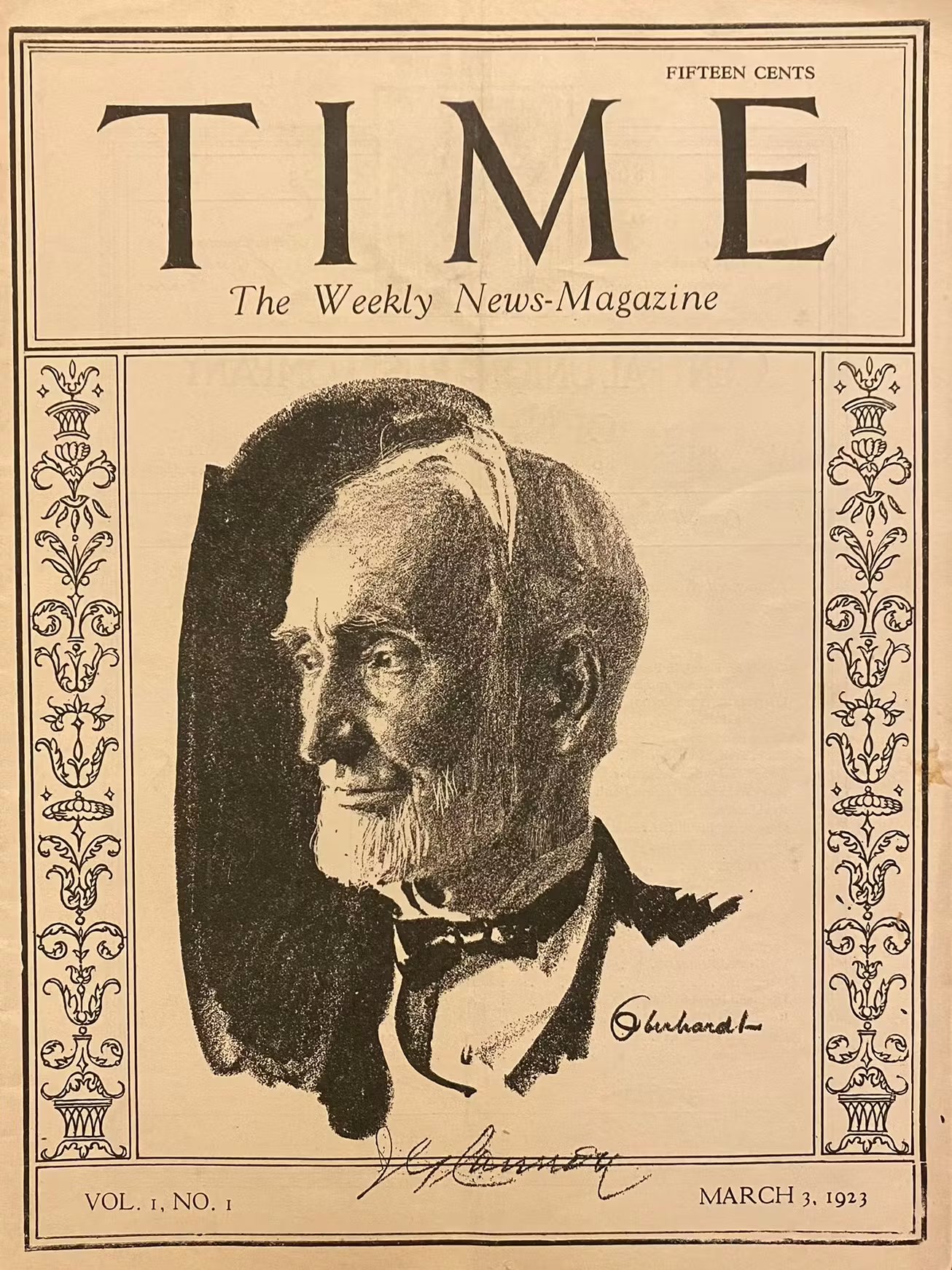

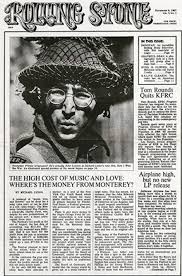
Traditional magazines were an evolution of the news, focusing on lifestyle and story, rather than news and current events.
The Traditional Magazine Model Was Built for a Different Era
To understand why this shift matters so much, it helps to look at how the magazine industry evolved.
Early magazines were essentially curated collections of stories produced by professional writers and editors. Publishers determined the editorial direction of the publication. Writers produced the content. Readers consumed the finished product.
Revenue typically came from advertising and subscriptions.
As digital media emerged, platforms such as ISSUU and flipbook publishing tools allowed magazines to recreate the visual experience of flipping through printed pages on a screen. Publications could upload PDFs or interactive layouts that resembled traditional issues.
Even iconic brands such as Playboy eventually transitioned into digital publishing as printing costs and distribution models changed.
But despite these innovations, the underlying structure of magazines remained largely unchanged.
A digital flipbook is still essentially a digital version of a printed magazine. It still relies on editors, writers, and centralized production.
The format evolved. The business model did not.
This is why many modern digital magazines still struggle with the same challenges their print predecessors faced.
They must constantly produce content. They must maintain editorial teams. They must sell advertising through direct sales efforts. They must continuously attract readers through marketing campaigns.
It is a labor-intensive model that requires significant financial resources to maintain.
For aspiring entrepreneurs who want to build a media platform, these barriers can feel overwhelming.
That realization led me to rethink the structure entirely.

Publishers thought that humans valued "flipping pages", and that's what made a magazine, a magazine. Image of an ISSUU screen shot.
A Magazine That Behaves Like a Social Platform
The UGC digital magazine model begins with a simple but powerful shift.
Instead of writers telling the stories of others, the people being featured tell their own stories.
When someone appears in a UGC digital magazine, they choose the interview format that fits them best. They select the questions they want to answer. They upload their photos and describe their journey in their own words.
Once their article is complete, they pay for their feature, publish it instantly, and begin sharing it with their audience.
The process feels familiar because it mirrors behavior people already practice on social platforms. People are accustomed to writing posts, uploading photos, and sharing updates about their lives and businesses.
But the presentation feels different.
Instead of appearing as a casual social post, the story is structured like a magazine interview. It appears inside a publication with headlines, professional layouts, and editorial formatting.
The contributor receives something that feels like press coverage, while the publishing experience behaves like social media.
That hybrid structure is what makes the model so powerful.

A Platform Designed for Contributors
One of the most important aspects of the UGC digital magazine model is that contributors maintain control over their own articles.
If someone publishes a story and later notices a mistake, they do not need to contact an editor or wait for the next issue to correct it. They simply click the edit button, update the article, and republish it.
This functionality might seem small, but it fundamentally changes how the publishing system works.
Traditional magazines are static. Once something is printed, it cannot be changed. Even digital magazines often require editorial teams to manage corrections.
In a UGC digital magazine, the article behaves more like a living document. Contributors maintain their stories just as they would maintain a social media post or blog entry.
The result is a platform that stays current and flexible without requiring constant editorial oversight.
The Role of the Editor-in-Chief
Although the publishing model resembles a social platform, the magazine still retains the leadership structure that traditional publications are known for.
Each magazine has an Editor-in-Chief.
But the responsibilities of the Editor-in-Chief look very different from those in traditional publishing.
Instead of managing a newsroom filled with writers and designers, the Editor-in-Chief oversees the community and the platform itself. They respond to contributor questions, address policy violations, and ensure that the publication maintains its standards.
They also contribute thought leadership through regular editorial pieces known as “From the Editor’s Desk.”
These articles allow the editor to guide the conversation within the community while allowing contributors to drive most of the storytelling.
Because the system is automated and community-driven, much of this oversight can be done from a laptop or even a phone.
For entrepreneurs who want to build a business without being tied to an office, this is a transformative shift.

Advertising That Works Like Modern Platforms
Advertising also evolves under the UGC digital magazine model.
Traditional magazines rely heavily on advertising sales teams who negotiate placement with brands. These deals often require extensive outreach, meetings, and negotiations.
UGC digital magazines introduce a self-service advertising system that functions more like modern digital ad platforms.
Brands can select their advertising tier, upload their advertisement, pay online, and publish their campaign instantly.
The Editor-in-Chief can still pursue partnerships and sponsorships through direct outreach if they choose. But the platform itself allows advertising revenue to grow organically as the publication gains readership.
This hybrid model allows entrepreneurs to decide how actively they want to pursue advertising revenue.
They can build relationships with brands through direct outreach, or they can allow advertisers to discover the platform and launch campaigns independently.

How the Model Began
My journey with this model began with a small experiment.
At the time I was running a consulting business, and like many consultants I was experimenting with marketing funnels and lead generation strategies. But traditional funnels felt increasingly crowded and predictable.
I wanted to create something more interesting.
Instead of offering another downloadable guide or webinar, I launched a digital publication called Ignite Business Insider Magazine.
The idea was simple. I would feature entrepreneurs and business leaders while creating organic visibility for my consulting work.
What happened next surprised me.
The contributors themselves began sharing their articles with their networks. Their audiences discovered the magazine. Other entrepreneurs wanted to be featured as well.
The publication began growing naturally.
It became clear that the magazine itself had become a distribution engine.
That discovery revealed something much bigger than a marketing experiment.

The Launch of Only Fans Insider Magazine
After seeing the potential of the model, I wanted to test it in a completely different environment.
In May of 2025, I launched Only Fans Insider Magazine, a UGC digital publication focused on the creator economy.
This time I started from scratch in a community where I had virtually no existing connections.
Within the first year, the magazine surpassed thirty million readers across more than sixty-five countries.
What began as a digital publication quickly evolved into something much larger.
The magazine became a platform for creators to share their journeys, build visibility, and connect with audiences.
Eventually the platform expanded beyond articles. It began hosting in-person events, awards programs, and sponsorship opportunities that generated entirely new revenue streams.
What started as a digital magazine had become a full ecosystem.
A New Kind of Opportunity for Entrepreneurs
Perhaps the most exciting aspect of the UGC digital magazine model is what it means for entrepreneurs who want to start their own businesses.
For decades, launching a media company required significant capital. Printing costs, office space, staff salaries, and marketing budgets created barriers that few individuals could overcome.
Today those barriers are disappearing.
A UGC digital magazine can be launched with minimal overhead. The platform handles the publishing infrastructure. Contributors generate the stories. Readers discover the content through social sharing.
This allows entrepreneurs to focus on building community rather than managing complex operations.
It also creates a business that can be run from anywhere in the world.
Many people dream about launching their own company while maintaining the freedom to travel. They want to build something meaningful without tying themselves to a traditional office structure.
The UGC digital magazine model was built with exactly that kind of entrepreneur in mind.
Instead of spending years raising capital and building teams, someone can launch a publication that grows through the energy of its community.
And because the platform itself does much of the heavy lifting, the Editor-in-Chief can manage the entire operation remotely.

The Next Wave of Community-Owned Media
As we move deeper into the digital era, communities are beginning to realize they no longer need to rely entirely on traditional media outlets to tell their stories.
They can build their own platforms.
UGC digital magazines represent the next stage in the evolution of publishing. They combine the credibility of traditional magazines with the accessibility and participation of social platforms.
Entrepreneurs, thought leaders, brands, and nonprofits can now create publications where their communities share their journeys, ideas, and opportunities.
And they can run those platforms from anywhere in the world.
In 2026, several new licensed UGC digital magazines have already launched, with more than a dozen additional publications currently in development. Several of these partnerships involve international brands and global communities.
What excites me most about this movement is the possibility it creates.
The ability for individuals and organizations to own the platforms where their stories live.
For entrepreneurs who want to build something meaningful without massive funding, and for those who dream about launching a business while traveling the world, the opportunity has never been more accessible.
If you are interested in learning more about launching your own UGC digital magazine, you can explore the concept here:


Comments